Westmount, Kitchener: The Established Neighbourhood With Victoria Park, ION Access, and the City's Best Renovation Value
Westmount is where Kitchener's established character lives. While Doon South was still agricultural land in 2000, Westmount's N2M streets had already raised two generations of Kitchener families in brick bungalows and two-storeys under a canopy of oaks and maples that took 50 years to reach their current scale. The neighbourhood sits between Victoria Park — Kitchener's historic centrepiece green space — and the ION LRT King Street corridor, positioning it as the rare Kitchener pocket where walkability to transit, nature, and independent retail all function simultaneously without a car. For buyers who value established character over open-concept great rooms, renovation upside over move-in perfection, and ION LRT access over 401 proximity, Westmount consistently wins the comparison against every newer-build Kitchener alternative.
Weighing Westmount against Doon South or trying to decide between Kitchener and Guelph? Reply to this email or book a free 15-minute call with Nik — we'll map which Kitchener pocket fits your commute pattern, renovation tolerance, and school timeline before you spend a weekend touring both.
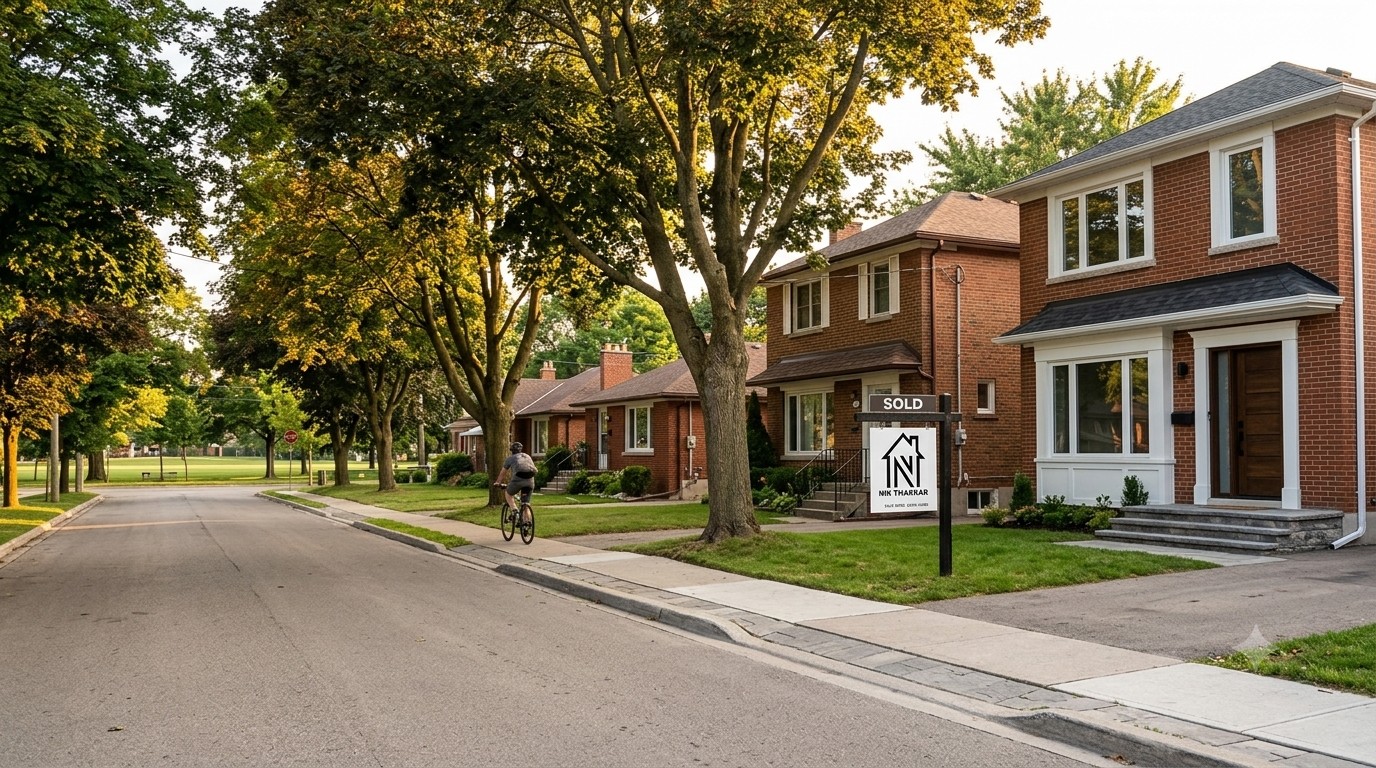
What Westmount Actually Looks and Feels Like
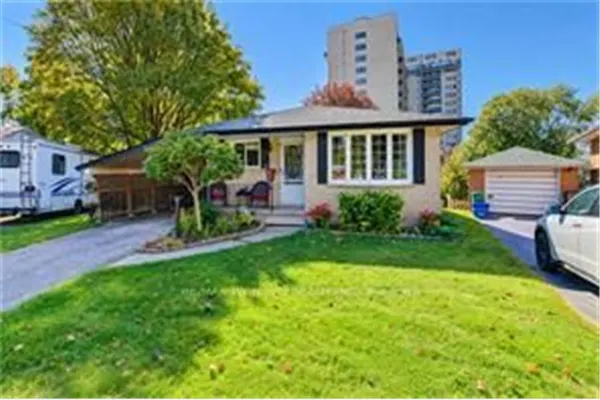
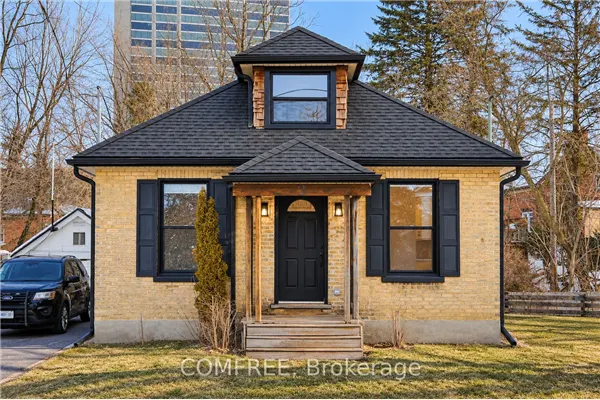
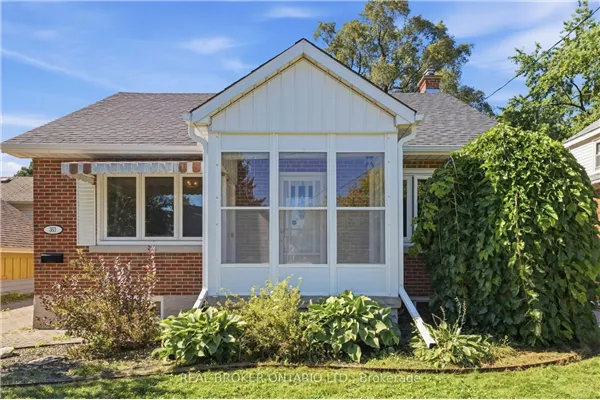
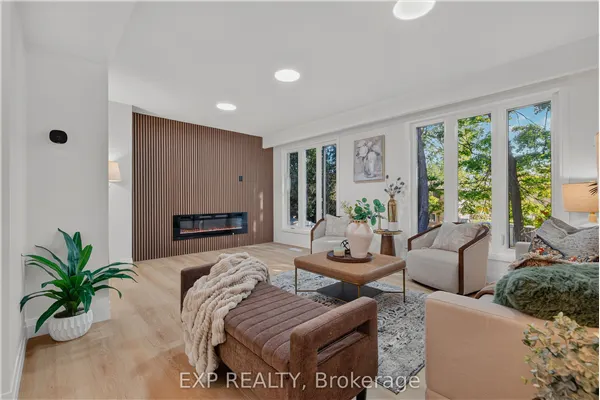
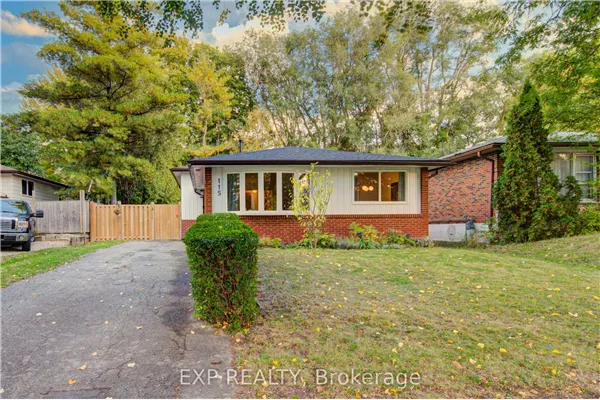
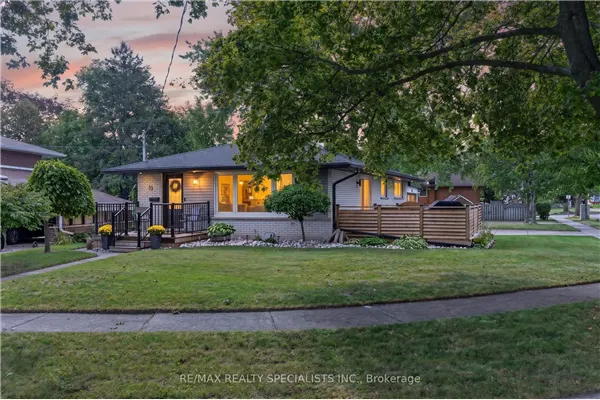
Walk down Westmount Road East, Stirling Avenue, or any of the residential streets threading through the N2M postcode and the neighbourhood's defining quality announces itself immediately: the trees. Westmount's street canopy is the product of 60–70 years of continuous establishment — oaks and maples that have been growing since the post-war subdivisions went in during the late 1940s and 1950s, creating a cathedral-like coverage in summer and a gold-and-crimson corridor in October that no new subdivision can replicate at any price point. The houses underneath that canopy are in equally honest condition: a mix of well-maintained originals that have been in one family for decades, partially renovated mid-century builds where a previous owner did the kitchen and stopped, and the occasional fully-gutted renovation that shows what the underlying bones of this housing stock can become when someone commits to the process properly.
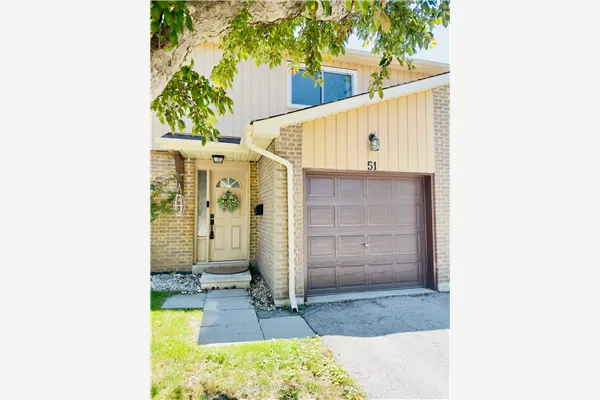
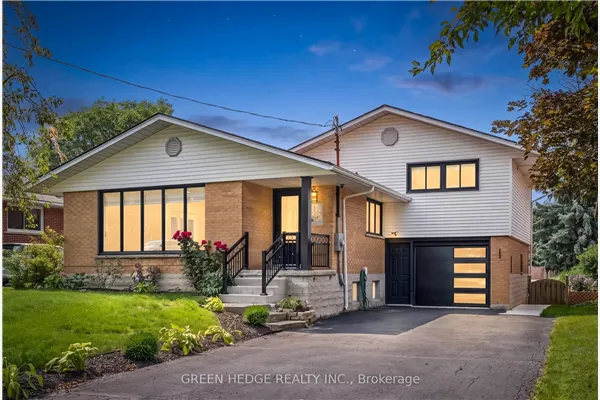
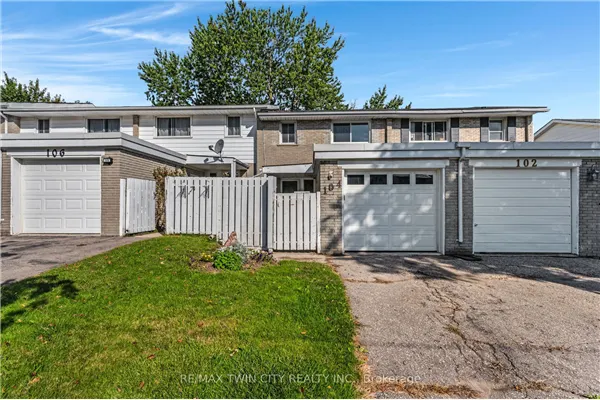
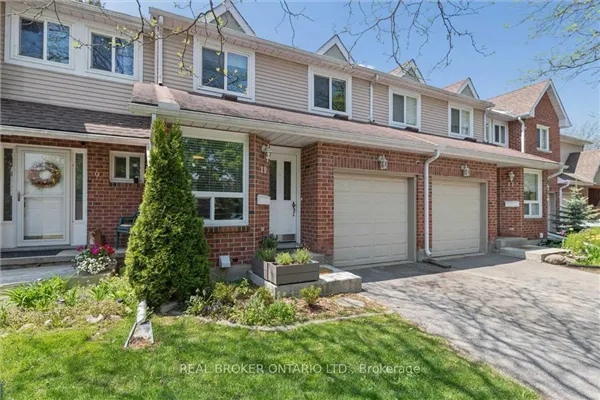
The housing mix in Westmount spans brick bungalows (1,000–1,400 sqft, attached single-car garages, 50–60 foot lots), raised bungalows (1,200–1,600 sqft, finished lower levels adding meaningful living space), and two-storey detached homes from the 1960s and 1970s (1,400–2,000 sqft, larger footprints, the occasional side-yard addition). The common thread is lot width — Westmount's N2M streets were laid out before the density-intensification era, and 50–65 foot frontages with genuine backyard depth are standard rather than exceptional. That lot size advantage over Kitchener's newer subdivisions is a permanent structural feature that compounds in value as the city intensifies around it. Explore active listings across all Kitchener real estate to benchmark Westmount's positioning within the full market.
Victoria Park: The Green Space That Anchors Westmount's Urban Lifestyle
Victoria Park sits at Westmount's eastern edge — a 15-hectare historic park established in 1896 with a central lake, bandshell, mature perimeter trees, and the kind of civic infrastructure that a century of public investment produces. For Westmount residents, this is not a park you drive to on weekends. It is the place where morning runs happen, where the Saturday farmers' market sets up during warmer months, where children learn to skate in winter on the lake's frozen surface, and where the Kitchener Oktoberfest celebrations anchor the city's largest annual cultural event. The park's central lake is a year-round amenity that operates differently in each season: paddleboats in summer, skating in winter, and the Victoria Park Pavilion restaurant as a genuinely functional destination that most suburban parks never develop.
Walkability to Victoria Park from Westmount's core streets — particularly the blocks between Westmount Road East and Queen Street South — is genuine and daily rather than aspirational. The park entrance at Park Street is 8–15 minutes on foot from most N2M addresses, and the Queen Street South commercial corridor connecting Westmount's residential streets to the park provides the kind of walkable retail infrastructure that makes the walking trip purposeful rather than purely recreational: independent cafés, a patisserie, a wine bar, a neighbourhood pharmacy, and a bookshop have all established on this corridor precisely because the pedestrian traffic generated by the park-adjacent residential density supports them. This commercial density combined with park proximity is the combination that makes Westmount's lifestyle proposition qualitatively different from Doon South's newer-build suburban character — and it's also the reason Westmount consistently outperforms on a price-per-sqft basis despite older building stock.
ION LRT Access: Why Westmount Is Kitchener's Best Transit-Connected Family Neighbourhood
The ION LRT's King Street corridor runs along Westmount's northern boundary — close enough that several N2M streets have ION station access within a 10–18 minute walk, but far enough from the tracks that residential streets don't experience the noise or vibration that immediately-adjacent properties can. The closest ION stations to Westmount's core — Victoria Park Station and Borden/Courtland Station — provide access to the full Stage 1 corridor from Conestoga in Waterloo to Fairway in east Kitchener.
For a Westmount household where one or both partners work in the tech corridor near the University of Waterloo or in downtown Kitchener's Innovation District, ION LRT eliminates the car commute entirely on in-office days. A Westmount resident who walks 12 minutes to Victoria Park ION station and rides to University of Waterloo in 22 minutes has a door-to-door commute of 34 minutes — car-free, stress-free, and cheaper than parking. This is the commute profile that makes Westmount compelling for KW tech professionals in a way that Doon South, with its superior 401 access but no ION proximity, simply cannot replicate. The detailed KW commuter analysis is mapped in the KW tech corridor guide.
The ION appreciation story in Westmount also has a forward component. Properties within 800 metres of ION stations have documented appreciation premiums of 8–14% over non-transit-adjacent equivalents since Stage 1 opened in 2019. Westmount's N2M postcode captures this transit premium on its eastern streets while the western streets are priced without the full premium due to slightly longer walk times. Buyers who understand this gradient and purchase on the western N2M streets — still within cycling distance of ION but not priced at peak transit-adjacency premiums — are accessing Westmount's character and transit benefits at a 10–15% discount to the most-transit-proximate equivalents.
Arts Community and Independent Culture: What Westmount's Commercial Character Delivers
Westmount's proximity to downtown Kitchener's arts and culture infrastructure — the Centre in the Square, the Kitchener-Waterloo Art Gallery, the Registry Theatre, and the growing Queen Street South independent dining district — gives it a cultural access profile that no suburban Kitchener neighbourhood can match. Residents within the N2M postcode can walk to major performing arts venues, independent film screenings, gallery openings, and the Kitchener Market on foot or by a 10-minute ION ride — a combination that defines the lifestyle proposition for a specific buyer demographic that is proportionally overrepresented in Westmount's actual resident population.
That demographic — creatives, academics, tech professionals who prioritise lifestyle over square footage, empty-nesters from larger Waterloo Region homes — creates a community character in Westmount that feels more like an urban neighbourhood than a suburb. Neighbours know each other. Front porches get used. The school community is engaged. The commercial strip is locally-owned rather than franchise-dominated. For buyers arriving from Toronto's Annex, Roncesvalles, or Leslieville who found themselves priced out of those communities and are researching KW alternatives, Westmount consistently produces the "this is what I was looking for" reaction that newer KW subdivisions reliably don't.
The Renovation Value Play: Why Westmount's Older Stock Is Kitchener's Best Equity Opportunity
Westmount's 1950s–1970s housing stock is the source of its most significant buyer trade-off — and its most significant equity opportunity. These homes were built during an era when material quality was high, lot sizes were generous by modern subdivision standards, and the craftsmanship of brick laying and millwork was not yet the casualty of cost-cutting that characterises some post-2010 construction. What they lack is the open-concept great room, the primary ensuite, and the kitchen island that have become baseline expectations in the contemporary home buyer's vocabulary. The gap between what these homes are and what they could be with targeted investment is where Westmount's renovation upside lives.
The renovation arc that consistently produces the best outcomes in Westmount: purchase an unrenovated or partially renovated 1960s two-storey at $650,000–$780,000, invest $70,000–$100,000 in a targeted kitchen-and-primary-bathroom renovation plus exterior curb appeal over years 1–3, and emerge with a home that would list at $850,000–$1,000,000 based on comparable renovated properties on the same streets. The spread — $80,000–$150,000 in value creation on a $70,000–$100,000 investment — is positive and documented in transaction history. It works because the renovation-tolerant buyer enters Westmount at a discount created by buyers who won't touch anything with a dated kitchen, and exits into a buyer pool that will pay full value for a move-in-ready home in a walkable, transit-connected, tree-lined neighbourhood that simply does not exist in Doon South at any price.
A practical note on the renovation process in N2M: many Westmount homes still have knob-and-tube wiring in older sections, original cast-iron or galvanized plumbing, and oil-to-gas mechanical conversions from previous decades. A thorough pre-purchase home inspection is non-negotiable — not to scare buyers away, but to produce an accurate renovation budget that accounts for the full scope rather than discovering surprises post-closing. A Westmount purchase that has been properly inspected and budgeted is a strong investment. One where the inspection was waived in competition and the plumbing surprise surfaces in month 3 of ownership is a difficult lesson.
Westmount Price Range and Comparison to Doon South
| Category | Westmount (N2M) | Doon South (N2P) |
|---|---|---|
| Detached entry price | $620k – $780k (unrenovated) | $780k – $900k (move-in ready) |
| Renovated / premium | $850k – $1.05M | $950k – $1.2M (conservation-backing) |
| Lot frontage | 50–65 ft — generous by KW standards | 35–45 ft standard; 40–55 ft premium |
| Build vintage | 1950s–1980s — renovation exposure | 2005–2020 — move-in ready |
| ION LRT access | 10–18 min walk to Victoria Park or Borden stations | No ION access — car or bus only |
| 401 access | 10–15 min via King St or Ottawa St | 3–5 min via Homer Watson Blvd |
| Victoria Park access | 8–15 min walk from most streets | 20–30 min drive |
| Best fit | Transit commuters, renovation-tolerant buyers, arts/culture lifestyle, Toronto equity relocators | Car commuters (Cambridge / 401), move-in-ready seekers, Resurrection CSS Catholic secondary priority |
Who Chooses Westmount — and What It Says About the Community
Three buyer cohorts consistently account for the majority of Westmount transactions, and each brings a distinct logic to the decision.
Toronto equity relocators are the fastest-growing cohort — professionals who have sold in Toronto's mature west-end neighbourhoods (Roncesvalles, The Annex, High Park) and are arriving with $700,000–$1,000,000 in sale proceeds. They recognise Westmount's character immediately because they've been paying double its price for the same inputs in Toronto, and the ION LRT corridor to their occasional downtown KW or UW destination closes the transit-lifestyle gap that might otherwise make the Kitchener move feel like a downgrade. For this cohort, Westmount is not a compromise — it is an upgrade in space, outdoor access, and financial position, without the character sacrifice that newer KW suburbs would require.
Waterloo Region professionals who prioritise transit and walkability over square footage — academics, arts sector workers, public sector employees at the Region of Waterloo or City of Kitchener — form Westmount's established professional base. Many have been in the neighbourhood for 10–15 years and are upgrading within it as their equity accumulates, creating the voluntary turnover that gives each new buyer a properly maintained home rather than a neglected original. This cohort's long tenure contributes to the neighbourhood's stable social infrastructure — long-standing neighbours who know each other, well-established community routines, and the kind of informal mutual support network that purely transient buyer communities never develop.
Renovation-focused investors and owner-renovators are the third cohort — buyers who purchase specifically for the unrenovated discount, execute the renovation, and either hold as an owner or sell into the renovated premium market. This cohort keeps Westmount's transaction volume healthy and continuously refreshes the neighbourhood's housing stock, which benefits all residents by preventing the slow deterioration that affects older neighbourhoods without active renovation investment.
The Westmount purchase that consistently outperforms is a 1960s brick two-storey on a 55-foot lot within the triangle formed by Westmount Road East, Queen Street South, and Strange Street — specifically on the streets that are within a 12-minute walk of Victoria Park ION Station and also within cycling distance of the Queen Street South café strip. These properties sit at the intersection of Westmount's three primary value drivers simultaneously: transit access, Victoria Park walkability, and the independent commercial character that renovation-tolerant buyers from Toronto's west end are specifically seeking. They trade at a $40,000–$70,000 discount to the most transit-proximate properties because the 12-minute walk is perceived as less convenient than a 6-minute walk — but for buyers who cycle or walk regularly anyway, the distinction is meaningless. I've consistently seen buyers in this triangle capture the best value-to-lifestyle ratio in all of N2M Kitchener.
Browse Westmount Homes for Sale — N2M Postcode
Active listings filtered to Westmount's N2M postcode — unrenovated originals, fully renovated character homes, and Victoria Park-adjacent streets. Updated daily.
Browse Westmount Homes →Browse All Kitchener Listings →
Or book a free 15-minute call with Nik — we'll walk through which Westmount streets give you the best ION access, renovation upside, and Victoria Park proximity for your specific budget and commute.