Meta Description: A definitive Guide to Selling Your Home in Ontario 2026. Discover how to price accurately using SSTC data, prepare your home for picky buyers, and navigate conditional offers in a high-inventory market.
If you are planning on selling a property in Ontario this year, it is crucial to reset your expectations. The era of putting a sign on the lawn and reviewing multiple offers over asking price by the weekend is over. The Ontario real estate market 2026 is defined by high inventory, stabilized interest rates, and, most importantly, highly educated and cautious buyers.
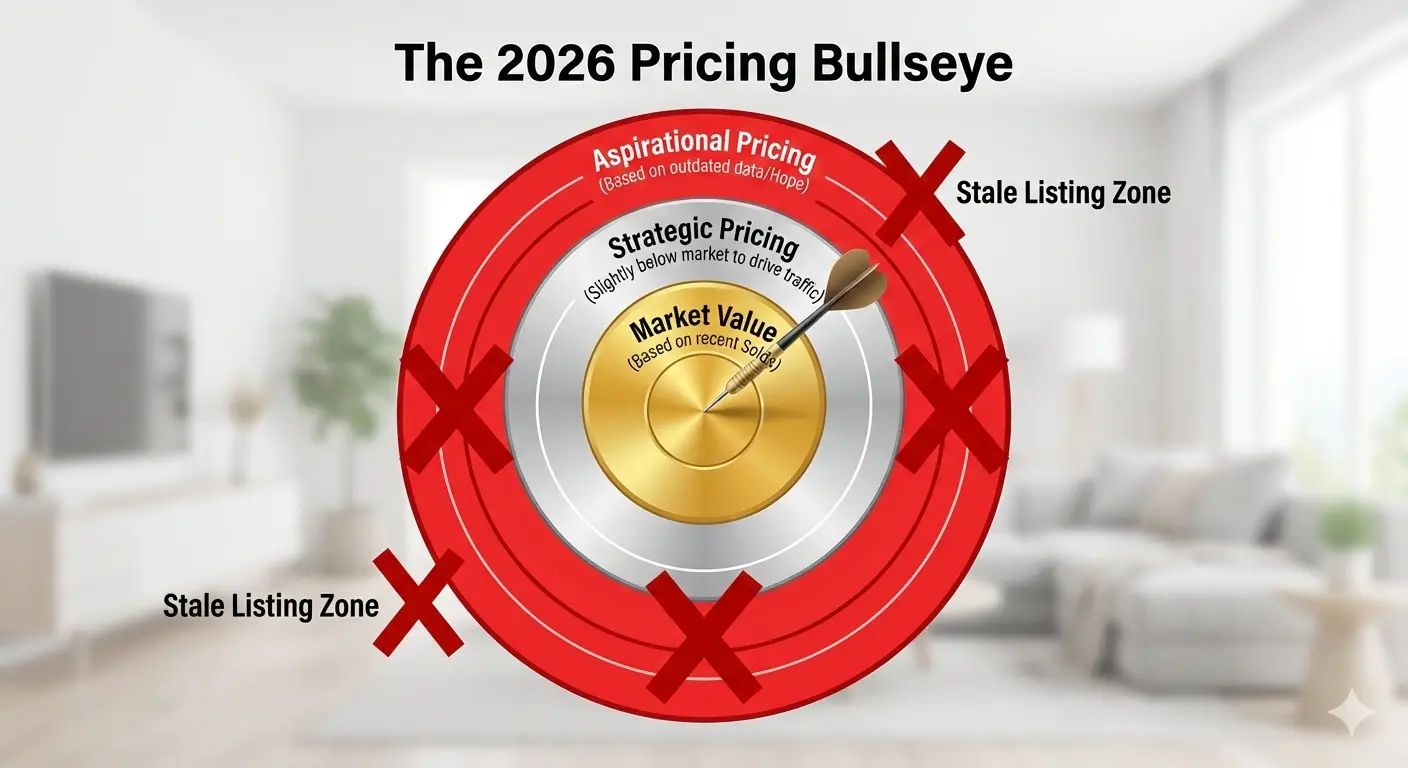
Selling in this climate requires a shift from passive participation to active strategy. Aspirational pricing is the fastest route to a stale listing. This Guide to Selling Your Home in Ontario 2026 will provide the roadmap you need to cut through the noise, attract serious buyers, and defend your equity in a competitive landscape.
The single most critical factor in 2026 is accurate pricing. In a market flooded with options, buyers will simply ignore overpriced homes.
Forget what your neighbor listed their house for last year. The only data that matters now is "Sold Subject to Contract" (SSTC) data from the last 30-60 days in your immediate area. When determined how to price your home for sale in Ontario, you must look at what buyers are actually paying right now, not what sellers are hoping to get.
Nik Insight: In 2026, you aren't just pricing for the buyer; you are pricing for the bank appraiser. Since financing conditions are back, if your sale price is significantly higher than recent comparable sales, the buyer's lender may refuse to finance the deal, causing it to fall through at the eleventh hour.
A common mistake in 2026 is listing high to "see if anyone bites." This strategy is disastrous in a high-inventory market. Your listing gets the most attention in its first 14 days. If it is overpriced, serious buyers scroll past. By day 30, your listing is "stale," and buyers assume something is wrong with the property.
Today’s buyers are looking for reasons to say "no." Your job is to remove those objections before the house hits the market.
While home staging tips in 2026 still matter, surface-level aesthetics are no longer enough. Buyers are terrified of hidden costs.
Consider paying for a pre-listing home inspection. Fixing leaky faucets, patching drywall cracks, and servicing the HVAC before listing prevents buyers from using these issues to hammer down your price during negotiations.
Economic uncertainty makes buyers highly sensitive to ongoing operating costs. If you have upgraded insulation, installed a high-efficiency furnace, or have newer windows, market these aggressively.
Over 95% of buyers start their search online. In 2026, mediocre photos are a death sentence for a listing.
When an offer comes in, check your emotions at the door. Negotiations in 2026 are business transactions.
As a seller, you must accept that conditional offers are back. Expect offers subject to financing and home inspection. Ensure the timelines for these conditions are tight (e.g., 5 business days).
If you receive a reasonable offer within the first few weeks that is close to your data-driven asking price, take it seriously. The first offer is often the best offer.
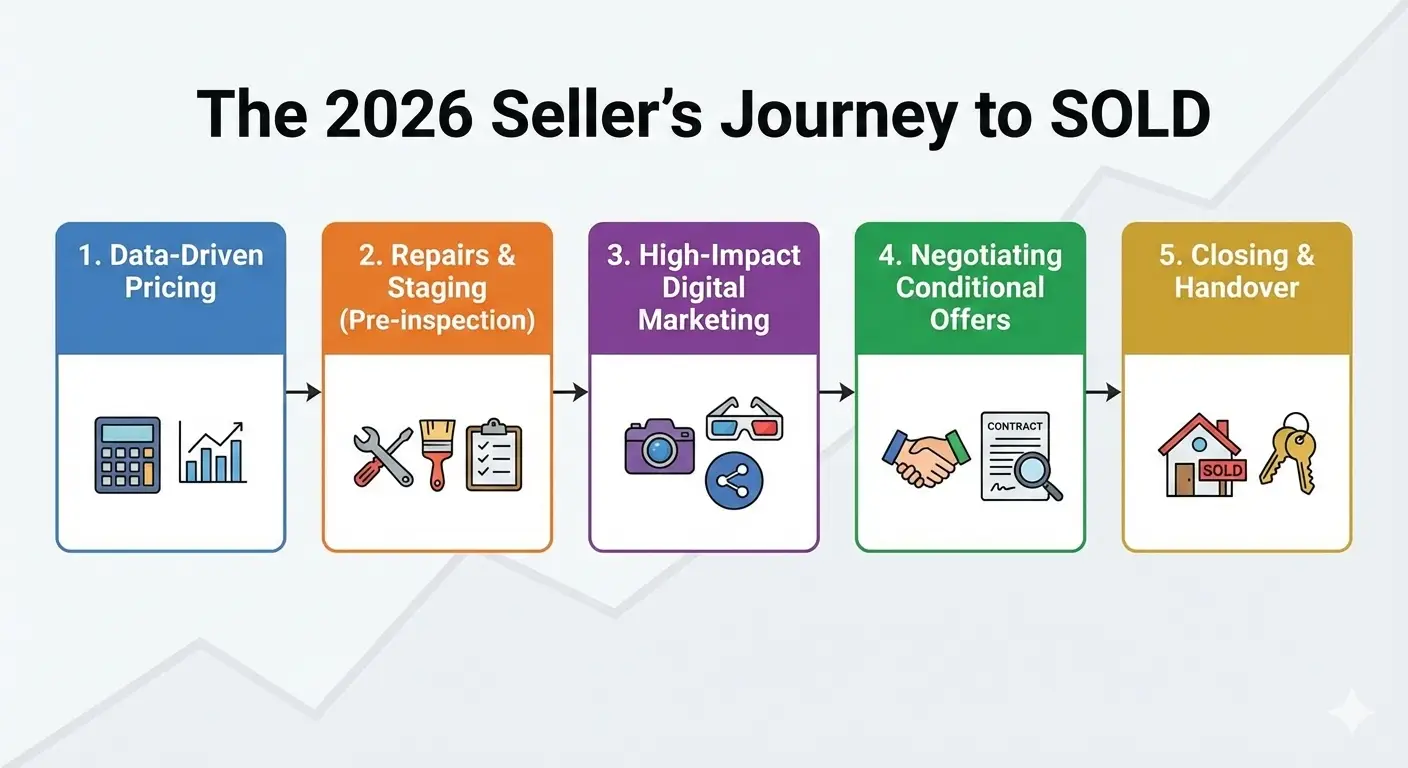
Selling your home in Ontario in 2026 requires a disciplined, data-first approach. Success is no longer about luck, but about preparation and presentation.
Thinking of selling this year? Start with a professional valuation based on current 2026 data. Contact a local real estate expert today.
1. What are the typical real estate commission rates in Ontario in 2026? Standard generally remains around 5% of the sale price, split between the listing and buyer's brokerage.
2. Do I have to pay capital gains tax when selling my house? Generally no, if it was your Principal Residence. Always consult an accountant for investment properties.
3. How long does it take to sell a house in Ontario in 2026? While top homes sell fast, it is now common for properties to take 45-60 days due to high inventory.
4. Is home staging really necessary in this market? Yes. Staging helps buyers visualize living there and justifies your asking price in a competitive market.
5. What are the closing costs for sellers in Ontario? Typically includes commissions, legal fees, and potential mortgage discharge penalties.
Are you preparing to sell your Ontario home? Join the conversation in the comments below!
Ready to see what’s available?