
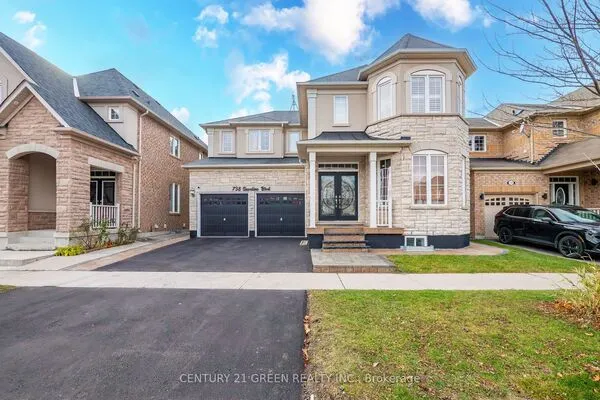

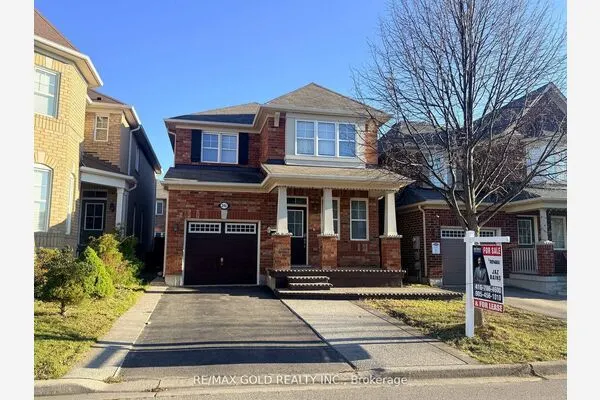
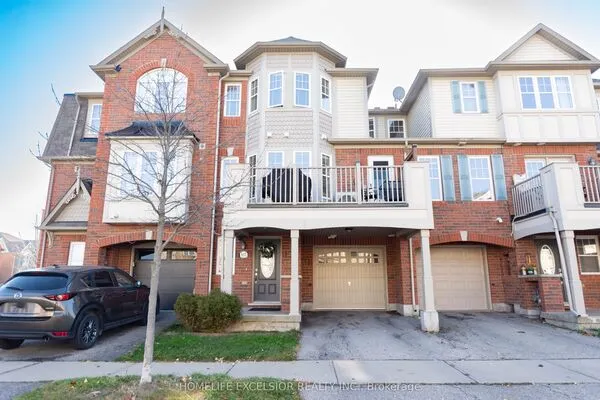
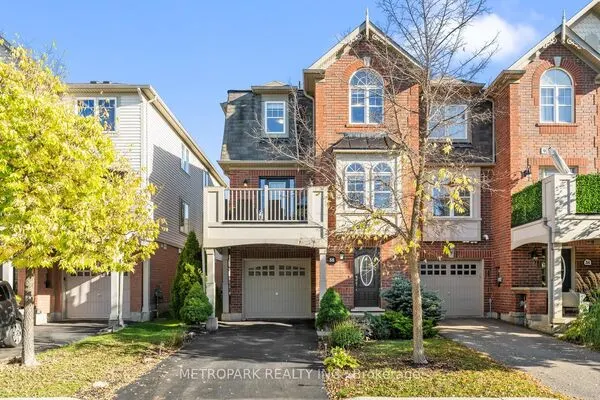
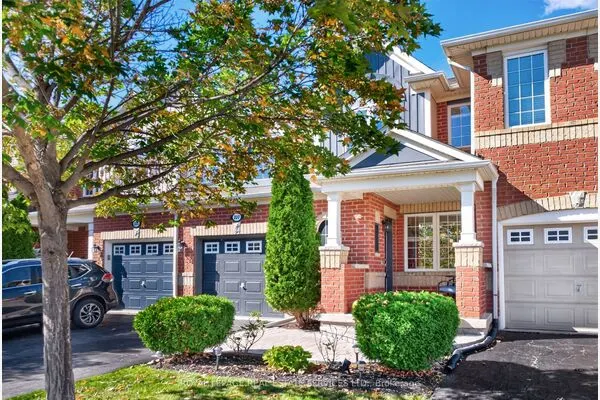
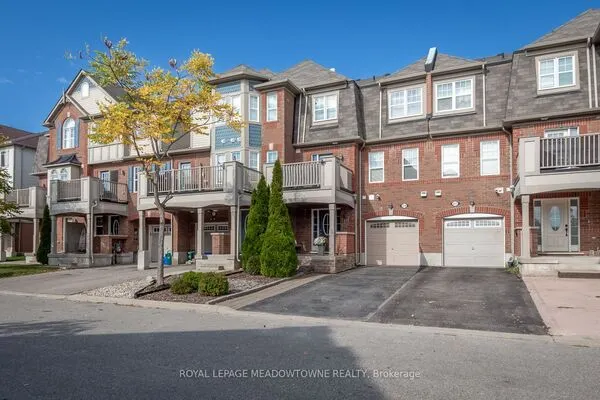
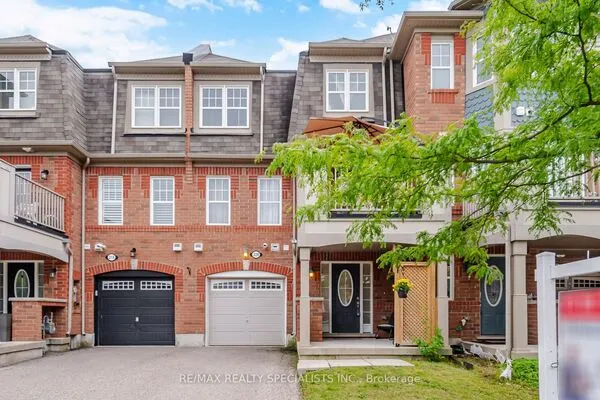
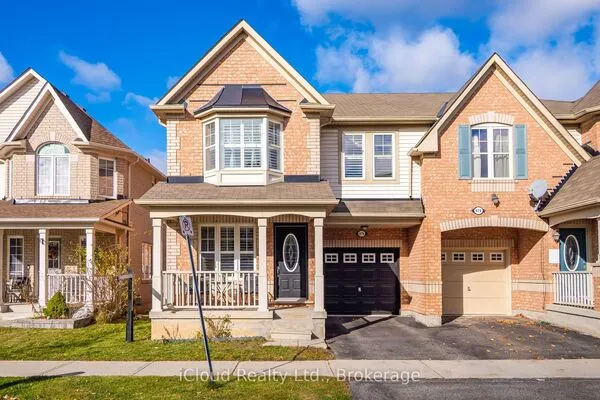
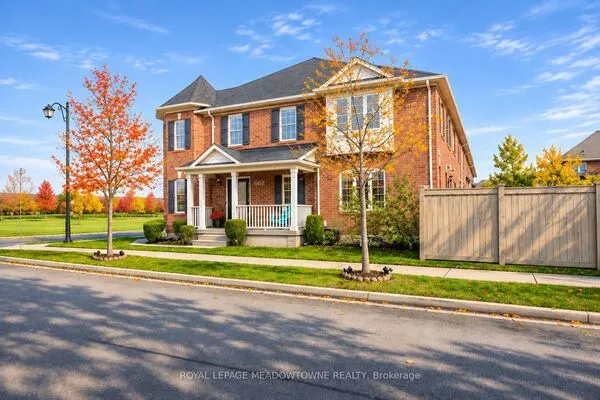
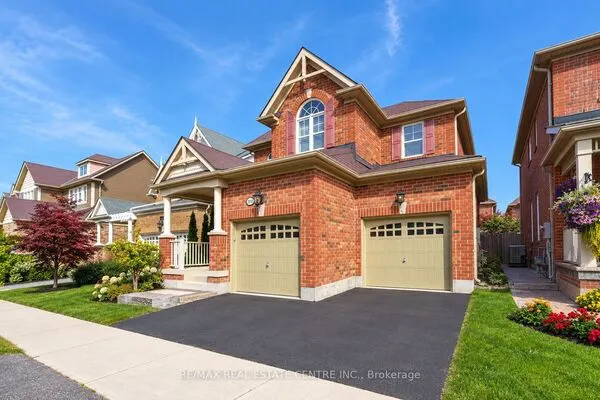
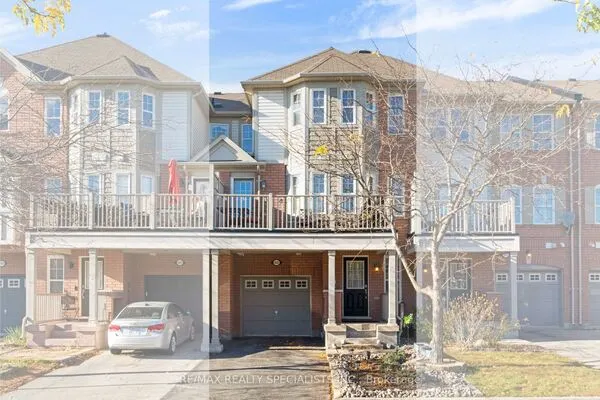
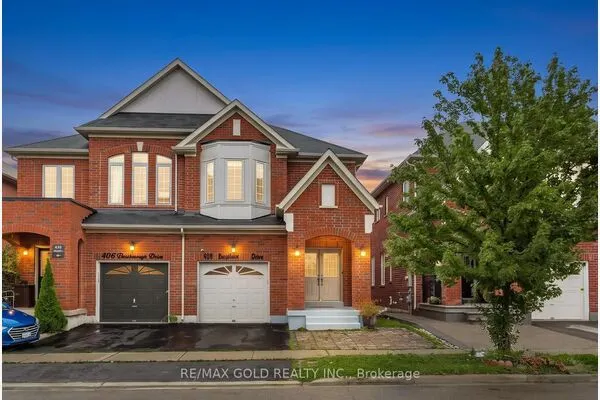
Harrison is one of Milton's most balanced and established family neighbourhoods — a mid-2000s development that delivers the "Goldilocks" middle ground between older pockets like Willmott and newer builds in Scott. Situated in central Milton, Harrison occupies the space between Derry Road to the north and Stevenage Street to the south, positioning residents within equal distance of Highway 401 access, Milton GO Station, and the best public schools in the Halton District. For families relocating from Toronto or upgrading from townhomes, Harrison consistently delivers more square footage, larger lots, and stronger school-catchment positioning than any other Milton neighbourhood at a price point that still feels attainable.
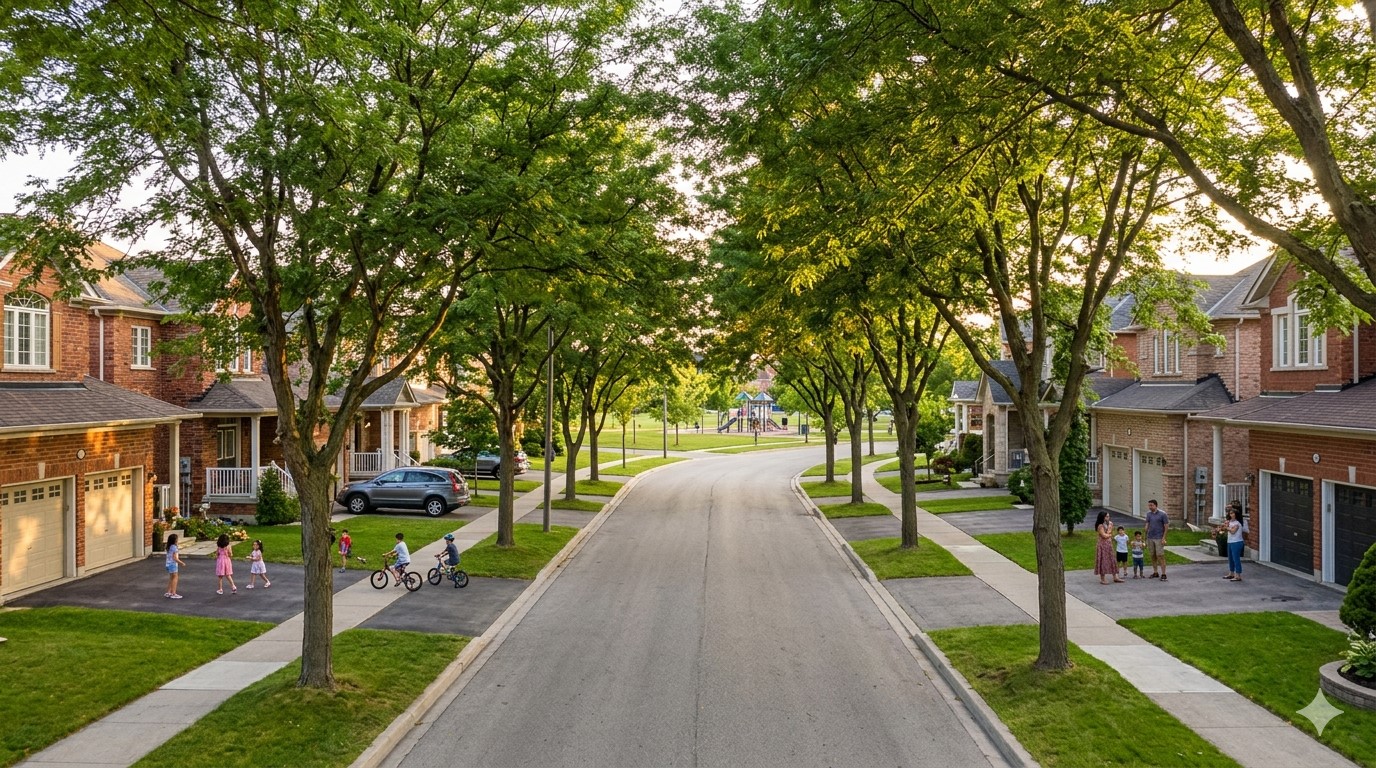
Harrison Milton homes for sale cluster in the $1.05M to $1.4M range for detached properties, with townhomes and semis available in the $900k–$1.2M tier. The neighbourhood's defining feature is its lot depth and width — homes sit on 50–60 foot lots with genuine usable backyards, a stark contrast to the 35–40 foot parcels that developers pack into newer subdivisions. Build vintage (2004–2012) means Harrison homes capture the post-bubble construction quality without the modern-finishes premium of Scott or newer pockets. For buyers comparing Harrison to other Milton real estate options, the value proposition is straightforward: you get mature tree canopy, larger lots, excellent school catchment, and reasonable positioning on the price-to-space spectrum. The trade-off is that kitchens and some mechanical systems are entering mid-cycle replacement — a feature, not a bug, if you have renovation tolerance and planning horizon.
Considering Harrison versus Timberlea or Scott? Reply to this email or book a free 15-minute call with Nik — we'll walk through lot sizes, resale trajectories, and whether renovation economics pencil out for your situation.
Drive down Harvest Crescent or Acadia Road on a weekday morning and Harrison's street culture announces itself: parents walking kids to school (and genuinely on foot, not car-pooled), established front yards with mature tree coverage, and a relaxed pace that feels less like suburban sprawl and more like an actual neighbourhood. The homes themselves reflect their 2005–2012 build window: brick and stone two-storey detached with side-load or attached garages, front porches that actually get used for porch-sitting, and a diversity of lot orientations (not all identical cul-de-sac repetition). Unlike the frenetic energy of newer Scott or the slight staleness of aging Willmott, Harrison sits in a sweet spot where the neighbourhood still feels fresh but the social infrastructure is mature and established.
Harrison real estate attracts move-up buyers who have lived through a suburban cycle and know what they're looking for: school-first positioning, genuinely usable outdoor space, and a neighbourhood where kids can play independently rather than be ferried everywhere. If you're weighing Harrison against other Milton lifestyle pockets, our Milton Ultimate Buyer's Guide provides detailed comparisons across school quality, lot sizes, and resale trajectory patterns.
Harrison's school positioning is one of its strongest family-appeal drivers. The neighbourhood feeds into Acadia Public School for JK–6, one of Milton's top-ranked public elementary schools with consistently strong EQAO performance and a particularly robust gifted program. The school's position at the neighbourhood's geographic centre means most Harrison families are within true walking distance — no controversy about whether "walkable" requires a car. For grades 7–8, students transition to Sherwood Middle School, another well-established Halton facility with strong academics and a diverse student population. Catholic families are served by St. Andrew Catholic School, which operates JK–8 and is also reasonably positioned for Harrison families. At the secondary level, students attend Milton District High School or one of the newer secondary schools depending on street address and board enrollment. For a full deep-dive into Milton's school options across all neighbourhoods, visit the Top Milton Schools guide.
One of Harrison's defining characteristics versus newer Milton subdivisions is genuine lot depth. Most detached homes sit on 50–65 foot deep lots — not the showpiece-garden size of rural properties, but genuinely usable backyards where kids can play unsupervised, where ground pools or hot tubs fit without crowding the space, and where mature landscaping can actually develop. Lot widths typically range from 40–50 feet, creating front yards with real setbacks rather than the postage-stamp frontages of newer Scott. This sounds like a modest planning detail, but it fundamentally changes quality-of-life perception for families — children can access outdoor space without parental logistics, and the neighbourhood feels less like a data-centre grid and more like an actual community.
Harrison's central Milton location puts Highway 401 within 5–8 minutes via Derry Road or Stevenage Street, providing efficient access to Mississauga's employment corridor (20–25 min) and downtown Toronto (50–60 min off-peak). GO Transit access via Milton GO Station is approximately 2.5–3.5 km from most Harrison addresses — bikeable for committed transit users, a manageable drive-and-park for daily commuters. The Lakeshore West GO line operates express service during peak hours with typical 60–75 minute travel times to Union Station. Metrolinx's ongoing third-track expansion will improve frequency significantly once complete, making GO commuting from Harrison genuinely competitive with inner-GTA transit communities. For families prioritizing balanced commute times and flexible work arrangements, Harrison delivers both car and transit optionality.
| Category | Harrison Profile |
|---|---|
| Home Type Mix | ~70% detached, ~20% semi-detached, ~10% freehold townhomes. Minimal condos. Build vintage predominantly 2005–2012. Lot widths 40–50 ft, depths 50–65 ft. |
| Average Price Range | Semi-detached: $900k–$1.1M | Detached 3-bed: $1.05M–$1.25M | Detached 4-bed: $1.2M–$1.4M |
| Elementary School (Public) | Acadia Public School (HDSB) — one of Milton's top-ranked elementaries, walkable from most Harrison streets, gifted program |
| Elementary School (Catholic) | St. Andrew Catholic School (HCDSB) — JK–8, reasonably positioned for Harrison families |
| Secondary School | Milton District High School or Jean Augustine Secondary (depending on address) |
| GO Transit Access | 2.5–3.5 km to Milton GO Station. Union Station in 60–75 min. Service expansion underway. |
| Hwy 401 Access | 5–8 min via Derry or Stevenage. Mississauga ~20–25 min. Toronto core ~55 min off-peak. |
| Parks & Green Space | Harrison Park (central neighbourhood hub), multiple tot lots and sports courts, trail connections to broader Milton system |
| Walkability Score (est.) | Moderate-High — excellent school and park walkability, good pedestrian infrastructure, retail requires short drive |
The best-performing streets in Harrison for resale are the ones that back onto Harrison Park or have mature tree lines on the front property — specifically Acadia Road, Harvest Crescent, and the crescents off Stevenage that have park access. Homes on these streets capture an "established neighbourhood" premium of 4–6% over interior parcels and move faster (typically 18–22 days on market vs the Harrison average of 24–28 days). Because Harrison attracts families with school-first priorities and a 7–10 year holding window, park-adjacent and tree-lined homes see disproportionate demand. If you're buying to hold long-term and want maximum resale flexibility, these lot positions historically outperform.
Harrison is one chapter in Milton's central neighbourhood story. If you're still comparing options, here are the three Milton pockets buyers most frequently weigh against Harrison — each with distinct lot sizes, school quality, and price positioning:
🏡 Timberlea, Milton
Similar build vintage to Harrison with excellent walkability to schools and parks. Smaller lots but stronger pedestrian infrastructure.
🏡 Scott, Milton
Newer builds (2015+) with modern kitchens and finishes. Higher price point but no renovation needs or mechanical concerns.
🏡 Willmott, Milton
Milton's most established east-end pocket. Lower price point than Harrison with established neighbourhood character.
For a complete side-by-side comparison of all Milton neighbourhoods — including price trends, school rankings, and commute patterns — explore the full Milton, Ontario real estate hub.
Ready to See What's Available in Harrison Right Now?
Browse active listings — filtered specifically to Harrison, Milton homes for sale — updated in real time.
Browse Harrison Homes Now →Or book a free 15-minute call with Nik to discuss Harrison real estate strategy — no obligation.