Buying Your First Home in Guelph, Ontario: The Last City Within an Hour of the GTA Where Detached Is Still Possible
Guelph is where the detached home math still works for first-time buyers. Not barely, not theoretically — actually works. At $680,000–$780,000 for a freehold detached with a backyard, a driveway, and a neighbourhood where people know their neighbours, Guelph is the last city within a 90-minute orbit of Toronto where first-time buyers can access the housing type that two-thirds of GTA buyers say they actually want, at a price that doesn't require a household income north of $180,000 to qualify. That window is narrowing — Guelph has appreciated meaningfully over the past decade and will continue to. But it's still open. This guide is for buyers who want to use it before it closes.
Not sure if Guelph works for your commute, budget, or timeline? Reply to this email or book a free 15-minute call with Nik — we'll run the numbers for your specific workplace, pre-approval, and savings position before you drive to a single open house.
Step 1: What Entry-Level Actually Buys in Guelph Right Now
Guelph's entry-level market spans a genuine range of property types and conditions. Understanding which tier matches your budget and renovation tolerance is the first decision before you look at a single listing.
- Condos and stacked townhomes — $420,000–$620,000
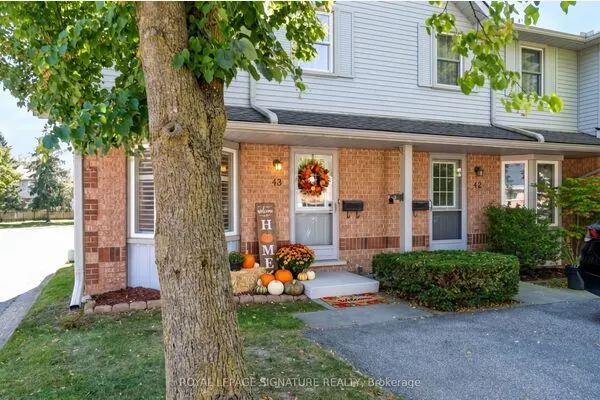
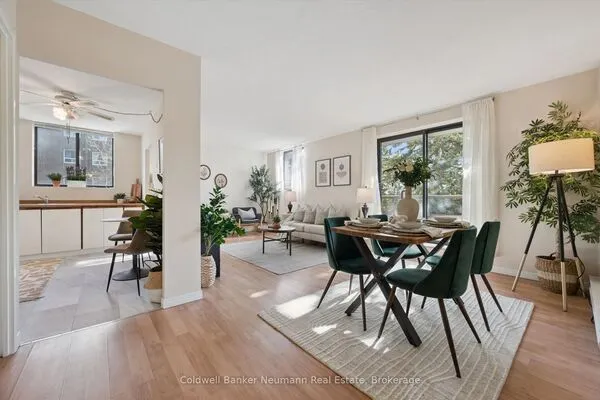
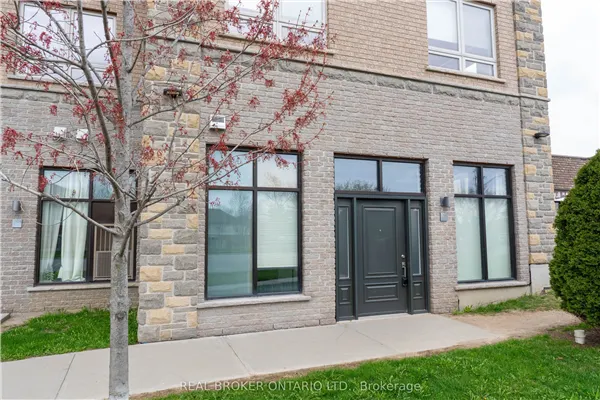
Guelph's condo market is smaller than Mississauga's or Waterloo's but it exists, primarily concentrated near the downtown core, the Guelph Central GO Station area, and along Gordon Street. A two-bedroom condo in downtown Guelph runs $490,000–$580,000, putting it within reach of single buyers or couples with moderate combined savings. The trade-offs are the same as in any GTA condo market: maintenance fees ($400–$700 per month depending on building), limited resale liquidity in buildings with oversupply, and the absence of a private outdoor space. For first-time buyers who are genuinely lifestyle-flexible and plan to upgrade within 5–7 years, a Guelph condo is a legitimate first step. For buyers who need outdoor space for children, pets, or lifestyle reasons, it's not. - Freehold townhomes — $600,000–$750,000
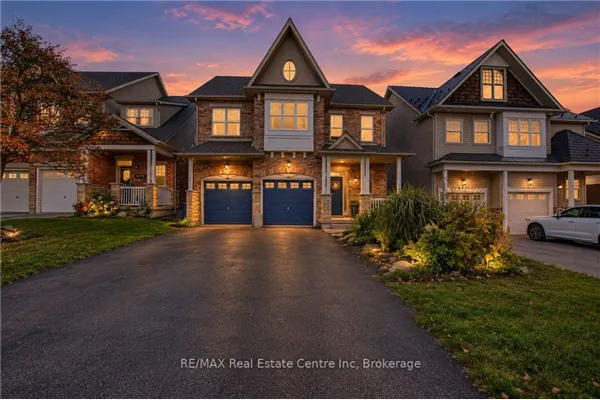
Guelph's freehold townhome market offers the clearest value play for first-time buyers who want freehold ownership without renovation exposure. A well-maintained 2015–2020 freehold townhome in East or South Guelph runs $650,000–$750,000, delivers 1,600–2,000 square feet, a small private rear yard, a single-car garage or driveway, and no condo fee. For couples stretching to enter the freehold market without the capital for a detached purchase or the tolerance for a renovation project, this is the most practical Guelph entry point. The resale market for Guelph freehold townhomes is liquid — more so than condos — because the buyer pool on resale includes first-time buyers at exactly the same stage you're at now. - Older detached — $650,000–$800,000 (with renovation tolerance)
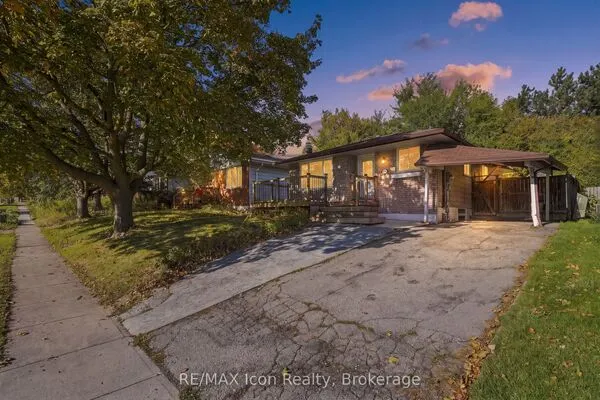
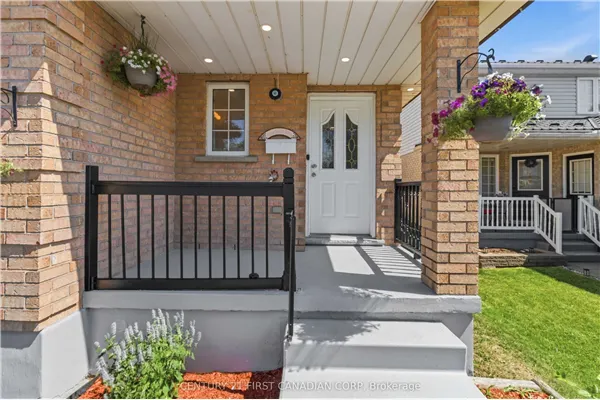
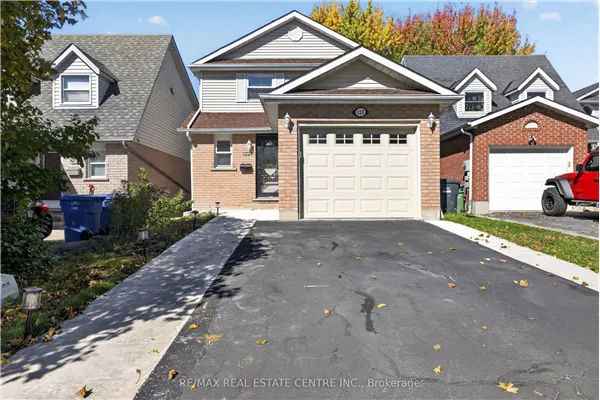
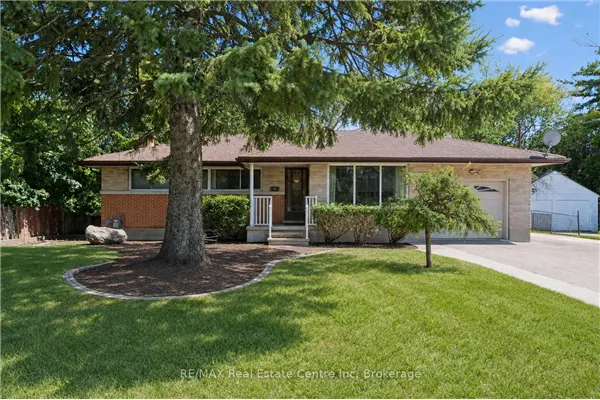
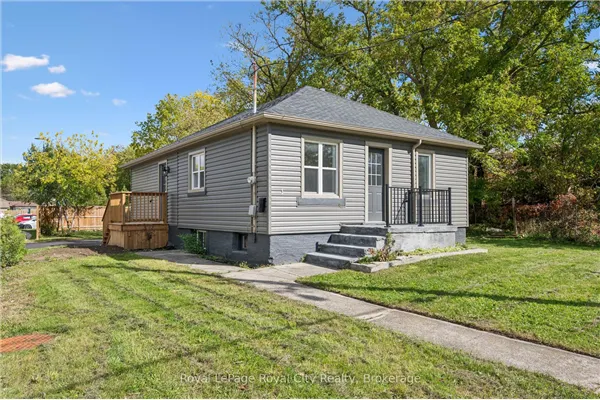
Guelph's 1970s and 1980s detached homes in the West End (N1H postcode) and some North Guelph (N1E) streets represent the city's most accessible freehold detached entry. These are brick and aluminum-siding two-storeys or raised bungalows on 40–55 foot lots with real backyards, private driveways, and the mechanical profile of a 40–50 year old home — which means that a home inspection matters, and that budgeting $40,000–$80,000 for phased renovations over years 2–5 is realistic. For buyers who have renovation tolerance and a 7-year holding horizon, this is Guelph's best equity-building tier: buy the location and lot at the discount created by dated finishes, renovate progressively, and capture the spread. - Newer detached — $780,000–$1,050,000
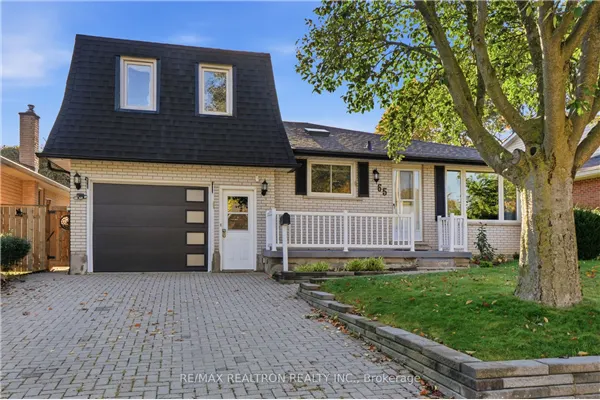
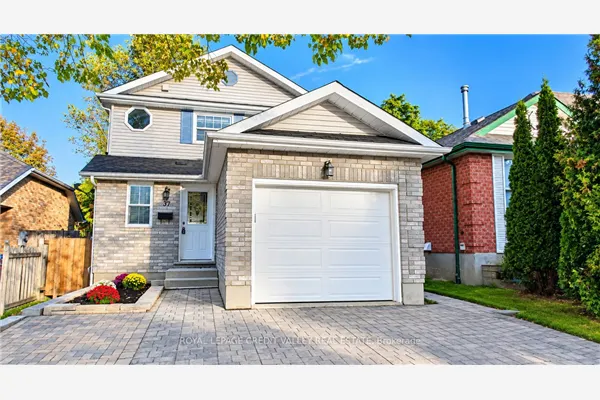
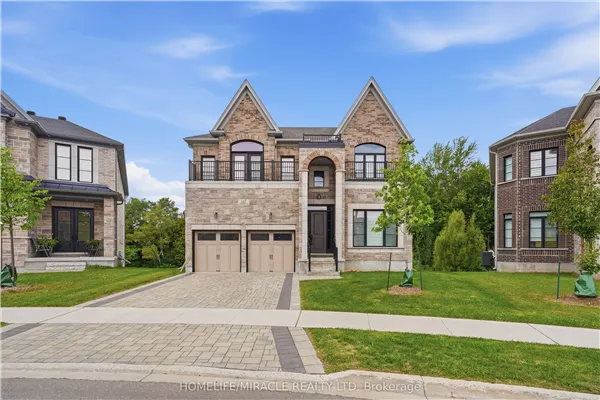
Guelph's newer-build detached stock — predominantly in South Guelph (N1G) and East Guelph (N1L) — sits at $780,000–$950,000 for standard lots and $950,000–$1,050,000 for premium positions. This is the tier where first-time buyers with strong combined incomes, maximised FHSA/RRSP savings, and a 20% down payment target operate. It delivers modern open-concept layouts, energy-efficient mechanical systems, and genuinely good schools without renovation exposure — at the cost of being at the upper boundary of what "affordable" means in Guelph for a first purchase.
Step 2: North vs South Guelph — The Trade-Off Every First-Time Buyer Needs to Understand
Guelph's geography creates a real north-south value divide that first-time buyers consistently misread. The short version: North Guelph (N1E) offers the city's lowest entry prices but the longest commute geometry and the oldest housing stock. South Guelph (N1G) and East Guelph (N1L) offer newer builds, better schools, and stronger 401 access at a modest premium. Understanding which trade-off makes sense for your situation — and why it matters — is the decision that determines whether your first Guelph purchase ages well.
- North Guelph (N1E) — lowest prices, oldest stock, furthest from 401. North Guelph's N1E postcode contains some of Guelph's most affordable detached inventory — 1960s and 1970s homes on modest lots, occasionally dipping below $650,000 for unrenovated properties. The trade-off is distance: North Guelph's position at the opposite end of the city from both the 401 interchange and the Guelph Central GO Station means that every car commute is 10–15 minutes longer than equivalent journeys from South or East Guelph. For buyers whose workplace is within Guelph city proper — University of Guelph is 12 minutes, downtown is 8 minutes — that trade-off is manageable. For buyers commuting to the 401 corridor daily, it adds up over a 7-year hold to approximately 300–450 additional driving hours. Price the commute cost before you price the home.
- West Guelph (N1H) — underrated value, improving commercial access. West Guelph's N1H postcode is Guelph's most consistently underrated first-time buyer pocket — older housing stock than South or East Guelph but better commute geometry than North Guelph, improving commercial infrastructure along Willow Road and Paisley Road, and a genuine mix of housing types including some of the best-value older detached in the city. West End Guelph also has the advantage of proximity to Guelph's independent commercial culture — the farm stands and independent retailers along Stone Road West begin in this postcode. For buyers whose priority is value density and who have renovation tolerance, West Guelph's older detached stock consistently delivers more freehold per dollar than any other Guelph postcode.
- South Guelph (N1G) — best schools, University access, established community. The premium postcode for family buyers, discussed in depth in the Guelph real estate neighbourhood guides. The trade-off: the highest prices in the first-time buyer range and a 401 access geometry that favours westbound commuters more than eastbound.
- East Guelph (N1L) — best 401 access, newest builds, KW commuter-optimised. The strongest choice for buyers commuting to Cambridge, Kitchener, or Milton. Westminster Woods and Hanlon Creek deliver newer builds and trail access at prices that compare favourably to equivalent square footage anywhere in the 401 corridor. The trade-off: furthest from University of Guelph and the city's downtown cultural core.
Step 3: The Guelph GO Train — An Honest Assessment for Toronto-Commuting Buyers
The Guelph Central GO Station is the transit variable most researched — and most misunderstood — by first-time buyers considering Guelph from a Toronto commuting perspective. Here is the honest picture without the promotional framing.
- Travel time: approximately 1 hour 45 minutes to Union Station. VIA Rail and GO Bus service from Guelph Central to Union Station runs in the 1:45–2:10 range depending on service type. This is meaningfully longer than GO trains from Burlington (50 min), Milton (65 min), or Kitchener (the proposed expansion). It is not a competitive daily commute to downtown Toronto.
- Service frequency is limited. Guelph Central has far fewer daily departures than Lakeshore West or Milton GO lines. Peak-hour express service is sparse compared to what Hamilton, Burlington, or Milton commuters experience. If your Toronto-bound commute needs to hit Union Station by 8:30am on a reliable schedule, research specific departure times before assuming Guelph GO fits your window.
- The GO train works for specific profiles — not all. Guelph GO makes genuine sense for: buyers whose Toronto office is near Union Station (Bay Street, King West, Financial District), who travel 2–3 days per week maximum, who have flexible start times, and who can work productively on a 1:45-hour train rather than needing a car. For buyers who need to be at a Toronto office 4–5 days at a fixed 8:30am start, Guelph GO transit is not the right commute solution.
- The two-car household solves the commute problem for most buyers. Most Guelph first-time buyer households are two-income couples where one partner commutes to the GTA (by GO or by car 2–3 days/week) and one partner works locally or remotely. Guelph's housing cost advantage — typically $200,000–$400,000 less than a comparable Milton or Burlington purchase — covers the cost of maintaining a second vehicle for several decades while still coming out financially ahead. Run the actual math for your household before deciding the commute makes Guelph unworkable.
Step 4: The FHSA and RRSP Stack at Guelph Prices — Where the Math Gets Compelling
Guelph's price point is low enough that the federal first-time buyer programs cover a meaningfully larger proportion of the down payment than in more expensive markets. Here's what the stack produces at Guelph's entry-level price points.
- First Home Savings Account (FHSA) — $8,000/year, $40,000 lifetime maximum. Tax-deductible contributions and completely tax-free withdrawals on a qualifying first home purchase. A couple who has contributed for 3 years has $48,000 combined in FHSA savings alone. On a $720,000 freehold townhome — a realistic Guelph entry — that covers 6.7% of the purchase price before touching any other savings.
- RRSP Home Buyers' Plan (HBP) — $35,000 per person, $70,000 per couple. Combined with a maximised FHSA, a couple with $50,000 in existing RRSP savings can access $118,000 in government-advantaged down payment capital. On a $720,000 Guelph townhome, that's a 16.4% down payment — close enough to 20% that a modest additional savings contribution eliminates CMHC insurance entirely. On a $780,000 older detached, it produces a 15.1% down payment. No other market type in the GTA commuter belt lets the FHSA + HBP stack come this close to a 20% down payment at a liveable property standard.
- Ontario Land Transfer Tax Rebate — up to $4,000. On a $720,000 Guelph purchase, provincial LTT is approximately $10,475 before rebate. The $4,000 first-time buyer rebate reduces net LTT to approximately $6,475. Not transformative, but a legitimate closing cost reduction worth claiming correctly.
- First-Time Home Buyers' Tax Credit — approximately $1,500 in federal tax savings. Claimed on your income tax return in the year of purchase. Apply it automatically — it's not a decision, just a form field.
The complete Ontario FTB program breakdown — including FHSA contribution strategy and HBP repayment planning — is covered in the Guelph market timing guide, which also covers what Guelph sellers expect in offer conditions right now.
Step 5: What to Expect From Guelph Sellers — How the Market Actually Behaves
Guelph's market has a distinct personality that catches GTA-trained buyers off-guard if they don't research it in advance. Here's what you'll actually encounter.
- Offer nights are real in spring and fall. Well-priced Guelph properties under $850,000 — particularly freehold townhomes and move-in-ready older detached — attract multiple offers in the spring (April–May) and fall (September–October) windows. Guelph is not a multiple-offer market on every property year-round, but buyers who arrive expecting the leverage of a soft market on desirable properties will be disappointed. Come pre-approved, come prepared to act decisively, and come with a maximum number that you've committed to in advance.
- Conditions are more accepted than in peak GTA markets. Guelph is not the 2022 GTA market where waiving inspection and financing conditions was standard practice. In Guelph's current balanced-to-moderate market, conditional offers on inspection and financing are routinely accepted on older properties — particularly the West Guelph and North Guelph detached stock where mechanical surprises are a realistic risk. Don't waive conditions on a 1975 bungalow to be competitive. You don't need to.
- Guelph sellers price for Guelph — not for the GTA. Guelph listing prices are set by local comparable sales, not by buyers arriving from Burlington or Oakville with elevated reference prices. This means overpriced listings sit noticeably longer than market-priced ones, and the sellers who have been on the market for 35+ days are typically open to negotiation. Days-on-market in Guelph is a reliable signal — use it.
- University-adjacent properties have a rental income floor that supports pricing. South Guelph properties close to the University are partly priced by their rental income potential — a 4-bedroom home within cycling distance of campus that could generate $3,200–$3,800 per month in rental income has a different buyer pool than an equivalent property further from campus. First-time owner-occupiers competing against investor buyers in this pocket need to understand that the investment buyer is running a different ROI calculation and may be willing to pay above the owner-occupier's ceiling.
- The market moves fastest in the $650,000–$850,000 freehold tier. This is the tier where Guelph's demand is most concentrated and supply is most competitive. Properties above $950,000 in Guelph sit longer and negotiate more. Properties under $650,000 attract investor interest that can create unexpected competition. The first-time buyer competing in the $680,000–$820,000 freehold band is in the most active part of the Guelph market — and the most important band to be pre-approved, decided, and ready to move within 24–48 hours of a listing appearing.
The Guelph first purchase I consistently recommend to buyers coming from the GTA with a $780,000–$850,000 budget and renovation tolerance is a 1980s detached in the West End N1H postcode — specifically on the streets between Willow Road and Paisley Road where lots run 45–55 feet wide and the homes are brick construction with attached single-car garages. These homes have been maintained by original or second owners, sit 12 minutes from the 401 west interchange and 8 minutes from the University, and can be purchased at prices that leave $60,000–$80,000 in the budget for a phased kitchen, bathroom, and basement renovation over years 2–5. The buyers I've seen build the most equity in Guelph over a 7-year first hold are consistently West End buyers who bought correctly-located older stock and renovated strategically — not the buyers who stretched to new builds in East Guelph and had nothing left for improvements. Location first. Finishes second. Always.
Browse Guelph Entry-Level Listings Now
Active listings across all Guelph postcodes — detached, townhomes, and condos updated daily. Filter by price and property type to find your entry point.
Browse Guelph Homes Now →Or book a free 15-minute call with Nik — bring your pre-approval number and your commute situation. We'll tell you which Guelph postcode works for your life, not just your budget.