How to Avoid Hidden Closing Delays: The Pre-Listing Inspection Checklist for Oakville Luxury Homeowners
When you are preparing to sell a premium detached property in elite enclaves like Bronte or the ravine estates of Glen Abbey, first impressions go far beyond pristine curb appeal and elegant staging. High-end buyers in today's Oakville market are uniquely diligent. They arrive accompanied by experienced advisors and specialized home inspectors who evaluate the property's structural health with forensic detail.
Discovering an unexpected technical glitch, an underlying moisture variance, or an outdated mechanical issue mid-transaction can break deal momentum, compromise your price, and extend your days on market. By executing an exhaustive pre-listing home inspection, you eliminate the friction entirely. This step-by-step strategy map helps you take complete control of your transaction, protect your equity, and showcase absolute structural transparency.
The Step-by-Step Pre-Listing Inspection Roadmap
Step 1: Complete a Forensic Moisture and Foundation Audit
Properties positioned near the shifting shorelines of Bronte or adjacent to the heavily forested, mature natural settings of Glen Abbey are continuously exposed to local environmental and drainage factors. Engage an expert inspector to conduct a thermal imaging sweep of lower levels. Pay close attention to retaining walls, exterior land grading, sub-surface French drains, and the primary sump pump infrastructure to guarantee water moves completely away from the structural envelope.
Step 2: Certify Multi-Zone Climate Systems and In-Floor Grids
Grand, large-footprint luxury properties frequently rely on sophisticated, interconnected HVAC systems—including multiple furnaces, dedicated heat recovery ventilators (HRVs), and customized radiant hydronic floor heating grids. Have a certified technician service all units, swap out filters, balance the climate zoning parameters, and compile a verified clean bill of health to remove any heating or cooling questions early.
Step 3: Audit Automated Controls and Low-Voltage Layouts
Modern upscale buyers treat high-end automated control ecosystems (such as Lutron, Control4, or Crestron) as essential infrastructure rather than simple add-ons. Ensure every built-in smart lighting path, computerized blind mechanism, sound zone, and perimeter security camera is fully functional and running the latest stable software version.
Step 4: Verify Exterior Hardscapes, Pools, and Irrigation Layouts
The exterior amenities of your estate—from intricate flagstone steps to full outdoor kitchen setups and heated pools—represent a massive portion of your property’s total value. Pressure-test underground water lines, inspect pool liner conditions and filtration pumps, and confirm the automated lawn irrigation sprayers hit their marks cleanly without causing overspray on stone facades.
Taking these steps transforms the home inspection from a potential point of negotiation for a buyer into an unshakeable asset for the seller, protecting your listing timeline from unforced friction.
Nik's Insider Tip
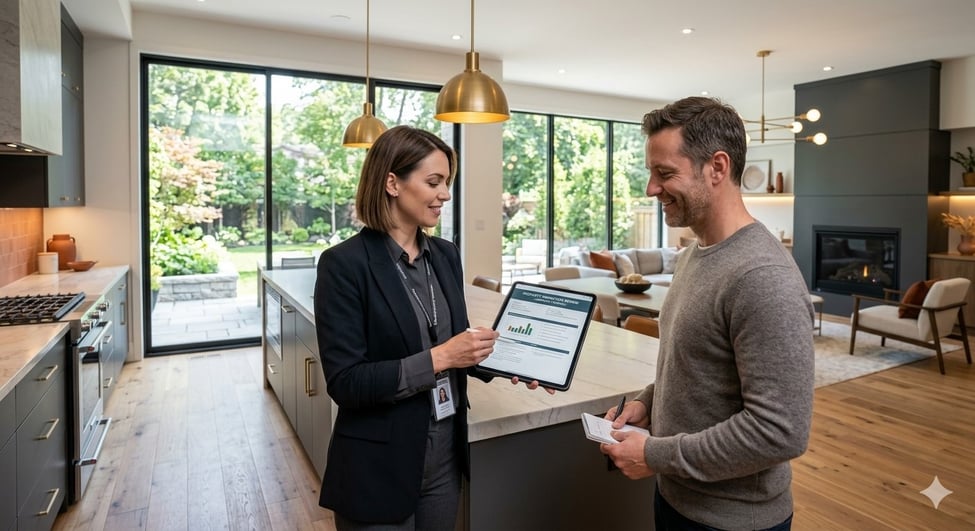
Do not keep your completed pre-listing report hidden away. Instead, print out a clean copy, bind it cleanly, and present it openly on the main kitchen counter alongside your official land surveys, architectural floor plans, and appliance manuals. When an active purchaser sees complete disclosure right away, it gives them instant confidence, encourages clean, non-conditional offers, and significantly reduces the timeline for closing the deal.
Maximize Your Value in Oakville
Whether you want to position your luxury estate for a smooth, high-value launch or you are looking to purchase an expertly verified home in our finest neighborhoods, partner with a dedicated real estate team.
👑 View Oakville Luxury Estates ($2.5M+)